It’s an open secret that some within the progressive movement have criticized the movement for not meaningfully addressing working-class challenges or effectively reaching working people. The cost is high: When people feel left out of a movement, progress suffers, and previously popular political candidates miss the mark.
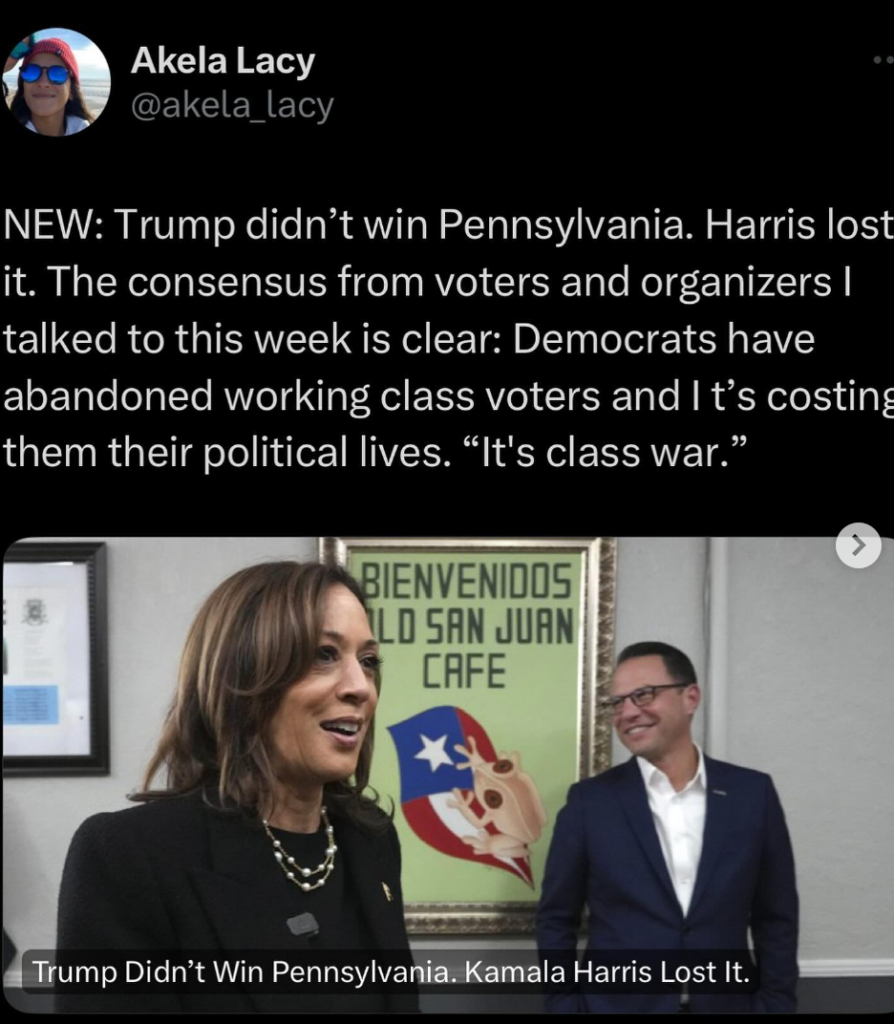
We’re talking about a considerable number of our neighbors. According to a 2022 Gallup poll, 46% of American adults identified as either “working” or “lower” class, and two-thirds of Americans don’t have a college degree. Nonprofits, advocates and organizers have a great opportunity and responsibility to meaningfully connect with working-class people through values, language and framing that resonates.
We invited Joan Williams, acclaimed author of “Outclassed: How the Left Lost the Working Class and How to Win Them Back” and social inequality scholar to lead a special Spitfire U session in January.
During the session, Joan shared what her research shows about the best way to connect with people who do not have a college degree. Her — and our — goal is to connect across class lines to truly “forge a multi-racial cross-class coalition capable of delivering on progressive goals.” You can watch the full session recording here.
“The same thing is required to enhance the success of social movements and to find the path past populism. The key: Learn how to connect with the moral intuitions of ordinary people.” — Joan C. Williams
How we got here
Why has the middle class migrated to the right? Here’s what Joan’s research surfaced:
- Precarity, not poverty, fuels far-right populism. In fact, it is people in the “missing middle” — with an annual household income of between $41,000 and $96,000 in routine jobs who are uneasy about their prospects — who have veered far right in the U.S. This is in contrast with economic and cultural “elites,” whom Joan describes as those with an annual household income of more than $180,000 and those who describe themselves as “progressive activists.”
“Over 90% of Americans used to earn more than their parents; only half of those born in 1980 will. Many people feel democracy has failed them.” — Joan C. Williams
- Communications styles between members of different classes have diverged. The people Joan describes as being from the “missing middle” value direct communications styles. At the same time, “elites” like to think of themselves as articulate and evidence-based, and they often value ironic communications styles to display sophistication and high cultural capital.
- There is a cultural chasm between members of different classes. Beyond economics, class is also expressed through cultural differences. The kinds of restaurants people like to eat at, their preferred brands, where they like to vacation, and whom they prefer to spend their time with are strong indicators for which class they belong to. In fact, culture predicts political affiliation over and above race and gender.
“Class shapes culture — and culture shapes politics.” — Joan C. Williams
Messaging tips
So, how can we use messaging to bridge the divide? Joan shared actionable steps for meaningfully connecting with people who do not have college degrees.
- Start with shared values. Any message should start by speaking to your priority audiences’ values. The values statement will get the listener to nod their head in agreement and spark openness. Remember: Your audiences’ motivating value may not be yours. People without college degrees often value self-discipline, order, stability, hard work, respect for traditional institutions and rootedness in their communities.
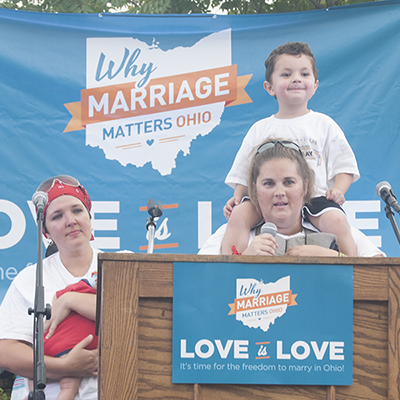
The campaign for marriage equality, for example, was emblematic of class-conscious messaging because it focused on the traditional institution of marriage. Groups like the Human Rights Campaign and Freedom to Marry successfully shifted the conversation from legal jargon to personal, relatable stories about love, family and commitment.
- Focus on what matters to working people. Recognize what the “missing middle” cares about most. For instance, around one-third of Latinos and Asian Americans and Pacific Islanders believe that “race isn’t at all important” and climate change is only the 17th most-important topic among most Americans. This does not mean that we should not talk about racial justice or environmental issues, but to engage those who do not have college degrees, we must connect them to working-class values.
Joan shared a few climate messaging examples that tap into what working people prioritize:- American families’ energy prices are rising sharply.
- Big business is making sure it doesn’t get stuck paying the bill for floods and wildfires.
- When it’s over 117 degrees fahrenheit outside, people can’t work and pay their mortgages.
“Elites are talking about the end of the world; we are talking about the end of the month” — Yellow Vest protestor (populist, grassroots protest movement in France)
- Tap working-class talk traditions. People without college degrees embrace direct, sincere and authentic communications styles. Say what you mean. Skip the jargon and unnecessarily elaborate language.
- Focus messages on economic opportunity. The far right deflects attention away from economic elites toward cultural and political elites. We must instead bring that attention back to those who are perpetuating economic inequality and prioritize progressive economic policies. For example:
- Balance programs for those with low incomes with programs aimed at stability in the middle.
- Rein in big businesses to support small businesses (small businesses continue to be the most trusted institution in the nation).
- Talk about fair labor market policies, wages and worker rights, and attack work requirements as government red tape that burdens people who have to hold multiple jobs just to pay rent.
In terms of messaging, we can go back to shared values by saying that everyone agrees that if individuals work hard in the U.S., they deserve a good standard of living, where they can afford housing, groceries and utilities. Instead, the U.S. has a rigged economy where people cannot afford any of these things.
- Recruit messengers whom people trust. The Center for Working-Class Politics studied the candidates who could most effectively reach working-class voters, and these included veterans and public school teachers. Among those without college degrees, there is a huge amount of resentment against “experts,” including managers and doctors.
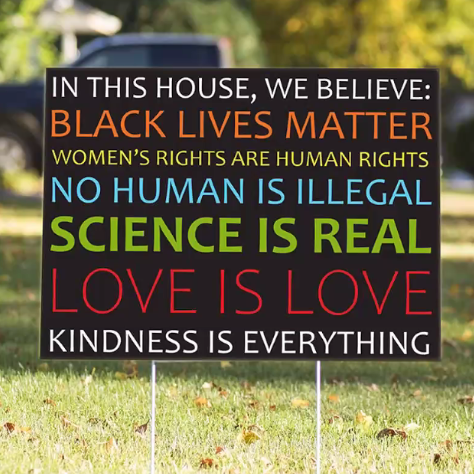
- Stop the scorn. Messaging that highlights the “class chasm,” like the lawn sign below only, empowers the far right. It also conveys scorn for people who are assumed to be unenlightened, insinuating that those who diverge from these ideas don’t know science is real or lack both kindness and love. Notably, it leaves out class issues.
You can find more advice for messaging that bridges the “diploma divide” across topics ranging from climate change to masculinity at diplomadivide.org. We hope that this session gives you guidance to rebuild trust, restore credibility and reconnect with the working class.
Reach out to our team for strategic communications support as you craft your messages or prepare to launch your next advocacy campaign during this critical year.